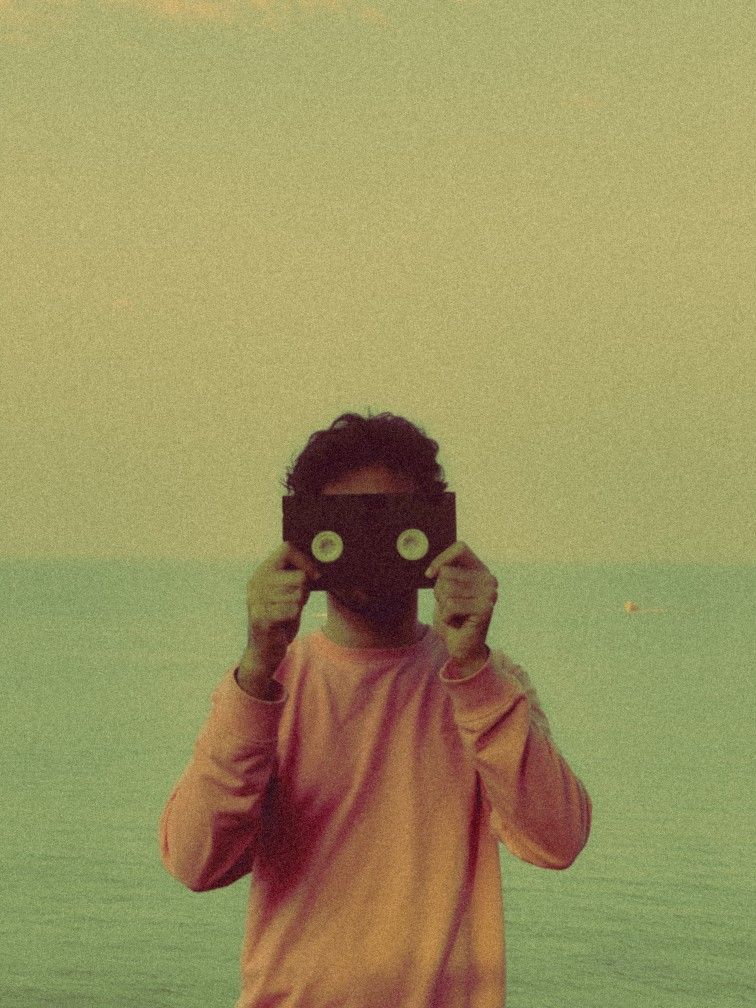
The idea is simple and takes real practice to use: when there's a pull toward something, instead of stopping at the moment of relief or pleasure, run the whole sequence forward. What happens after. How the story ends. What the next morning looks like.
In recovery this gets applied to relapse risk. The first drink or pill rarely gets thought through all the way. The mind parks on the moment of relief and doesn't continue much further. Playing the tape through means extending the mental movie past the part that feels good, past the part that still feels manageable, into the territory that's actually predictable based on the history that exists.
But the tool is broader than that. It works for any situation where an impulse is running ahead of judgment: sending the message before thinking through what happens when it lands, saying yes to something socially because declining feels uncomfortable in the moment, taking the job based on how it sounds rather than what the day-to-day looks like to live inside of.
Why the brain doesn't do this automatically
The brain is built for short-term resolution of discomfort. When something feels urgent, the system wants to act and end the feeling. Future consequences exist in theory, but they don't carry the same emotional weight as the immediate discomfort of not acting. Playing the tape through is a manual override, a way of giving future consequences enough vividness that they actually factor into the decision before it gets made.
This is also why the technique works better the more specific it is. "I'll regret it" is abstract enough that it doesn't move much. Walking through what specifically happens next, then next, what that feels like, who else is affected, what the following week looks like. That's what shifts the weight. The more real the downstream moment can be made to feel in the present, the more it competes with the pull of the immediate.
The pause is the whole thing
Playing the tape through requires inserting a pause between the urge and the action. That pause is often the hardest part. Impulses by design want to collapse that gap. The work is learning to tolerate the discomfort of the pause long enough for the rest of the sequence to actually unfold.
For some people that pause is a breath. For others it's a walk, a call, writing something down. The specific form matters less than the function: creating just enough space between feeling the pull and acting on it for the rest of the story to catch up.